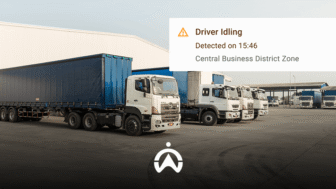
AI Camera System: 5 Best Features for Fleet Managers
Published
Reading time
9 minutes
Blog
Key takeaways:
AI cameras spot driver fatigue, distraction, and other risks in real time to prevent accidents
They provide smart alerts, dual cameras with advanced safety features, and cloud-based footage storage
GPS and telematics give managers a full picture of vehicle location, driving behaviour, and incidents
Unlike standard dashcams, AI systems offer driver scoring, automated uploads, theft protection, and coaching tools
AI camera systems are used in Nigerian fleets to monitor drivers, record vehicle data, and manage logistics remotely. Any company that takes its fleet seriously needs a comprehensive way to manage that fleet as affordably and efficiently as possible. Now that AI is being integrated into these camera systems, they’re better than ever!
This is why Cartrack has covered the 5 best features of AI camera systems in fleet management. This technology not only saves your organisation a large percentage of your profits, but also protects your assets, your drivers, and your long-term growth. Let’s explore how.
Top 5 AI camera features for fleet managers in Nigeria
If you’ve been wondering if your current vehicle dashcams are worth replacing with AI camera systems, check out this brief overview:
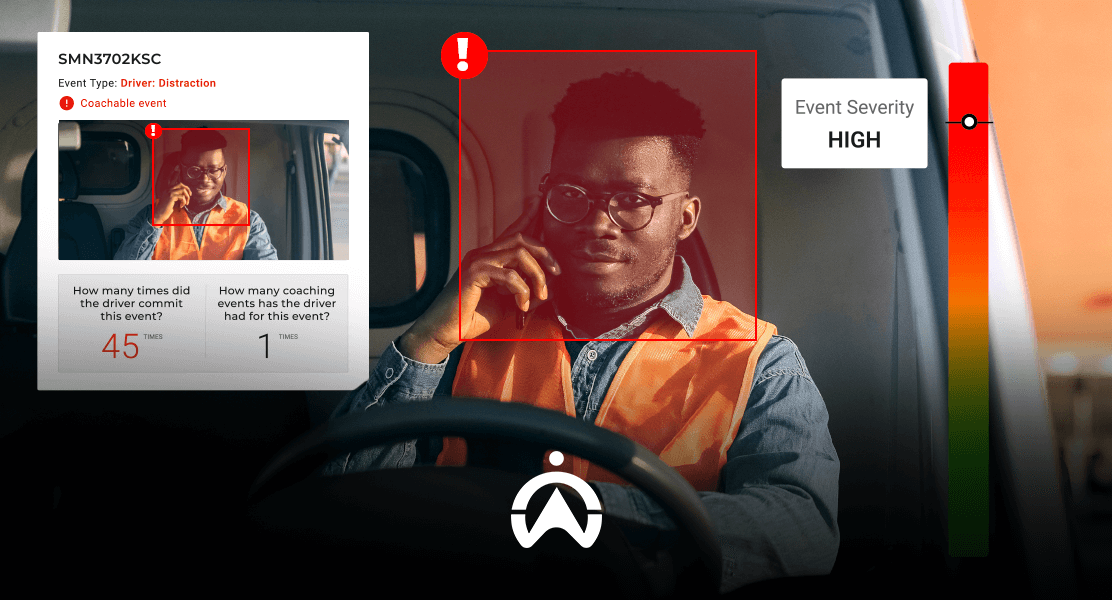
These behaviours can have a devastating impact on your driver and your vehicle. Getting notified of these behaviours helps you to better manage your fleet, because you’re never in the dark. Alerts will be sent to you and/or your fleet manager in real time, so you’ll always have a sense of control even when your drivers are far away.
2. Dual-camera with ADAS & DMS
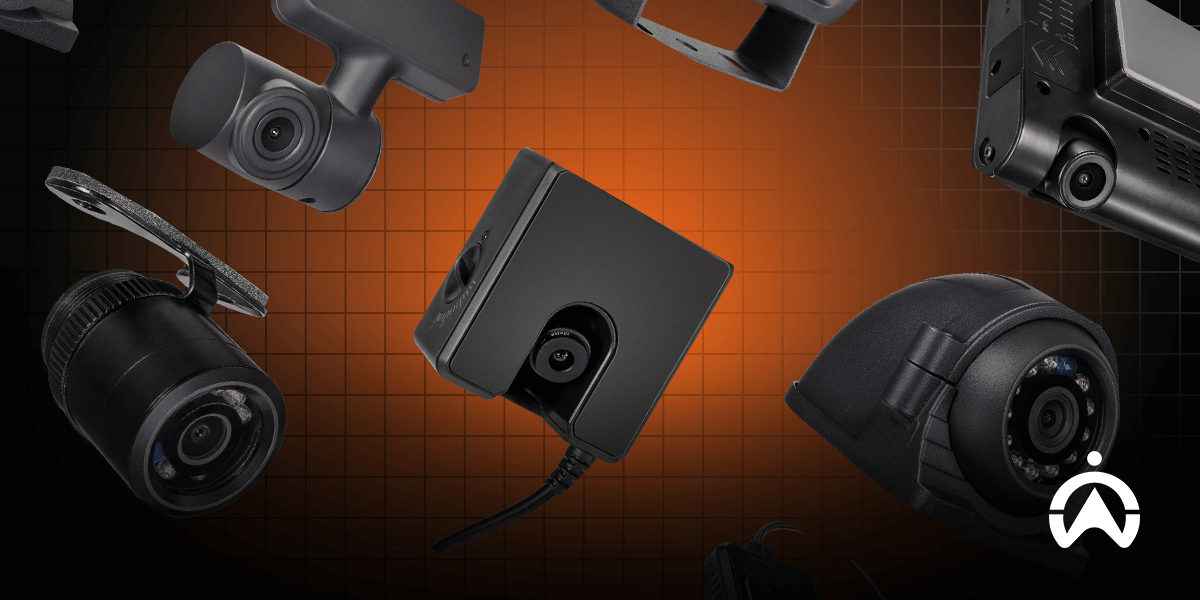
Regular dashcams are usually forward-facing. The AI camera systems at Cartrack provide forward and driver-facing (known as in-cab) cameras that monitor the driver and the driving compartment.
But what’s so special about that, and what role does AI play in these camera systems? Well, these cameras have ADAS (Advanced Driver Assistance System) and DMS (Driver Monitoring System) features. DMS is what we covered in the previous section.
However, ADAS is much more advanced, because this is where the AI really proves its worth to you and your driver:
Advanced Driver Assistant System: This is software that steps in when your driver needs it most. The AI-powered ADAS has some of the most advanced capabilities, including:
Forward Collision Warning (FCW) – alerts if a crash risk is detected
Automatic Emergency Braking (AEB) – applies brakes if the driver doesn’t react in time
Lane Departure Warning (LDW) – warns if the vehicle drifts out of its lane
Blind Spot Detection – monitors and alerts for vehicles in hard-to-see areas
Adaptive Cruise Control (ACC) – automatically adjusts speed to keep a safe following distance
3. Cloud and event-based footage
Further to receiving the event-based alerts mentioned above, AI camera systems also allow you to view live footage of your driver and the surroundings of your vehicle. What you may not know is that when one of those alerts is sent, it triggers the recording software and intelligently decides what important events to archive for later viewing.
This means that every time something out of the norm happens during the driving process, your AI camera system will record and keep that footage for:
“GPS & Telemetry Integration for Contextual Oversight…” might sound technical, but it’s easy to grasp. It simply means that your AI camera system uses GPS to track the vehicle’s exact location, and then pairs this with telemetry data, like speed, braking, and fuel use.
It’s nice to know that you and your fleet managers can access pertinent footage whenever you need it. But what about storing all of this information? Together with intelligent technology, AI camera systems also come with a cloud storage infrastructure that allows you to archive a large amount of footage for later use.
As footage ages, you can delete it or simply purchase more storage space. This allows you to retrieve footage when necessary, but these systems also track and record driver scorecard data. This never gets deleted, because you’ll need it to rate, train, and commend your drivers.
How are AI camera systems different from standard dashcams?
AI camera systems can be distinguished from standard dashcams primarily through their ability to detect pertinent activities. 6 more features worth mentioning include:
Because all of this data is recorded and stored via cloud-based storage systems, you get an archive of relevant information that regular dashcams wouldn’t provide.
Let’s compare your regular dashcam to the AI camera systems Cartrack offers in terms of these six features.
Real-time analysis vs. passive recording
Regular dashcam:A normal dashcam only records footage and saves it for later viewing. It doesn’t analyse what’s happening on the road in real time, so you can’t monitor what the driver is seeing or what they are doing.
Regular dashcam: Video files will stay stored on a memory card until you or your managers remove them. If an incident occurs, managers must manually download and review the footage.
Cartrack AI cameras: Important events are automatically uploaded to the cloud. This ensures incidents are captured, stored safely, and left ready for you to review them whenever you’re ready.
Alerts and driver coaching
Regular dashcam: Standard dashcams can’t warn your drivers or help them improve their driving habits. They’re no more than a record of what happened AFTER it’s already happened.
Cartrack AI cameras: The system gives you real-time alerts for risky behaviour like harsh braking or fatigue. Drivers receive instant feedback to improve their performance. This also helps you to identify patterns and deal with them preemptively.
Multi-sensor integration
Regular dashcam: Traditional dashcams rely only on video footage and can’t connect with the systems of your vehicles. This limits the data they can ultimately provide to you and your fleet managers.
Cartrack AI cameras:These connect with GPS and CANbus to combine speed, braking, fuel use, and video data. You’ll get a complete view of each vehicle as well as your drivers’ activities.
Risk scoring and reporting
Regular dashcam: A standard dashcam doesn’t calculate the respective riskiness of your drivers. It also can’t generate reports. You and your managers must rely on manual reviews of video clips, which can be tedious and time-consuming.
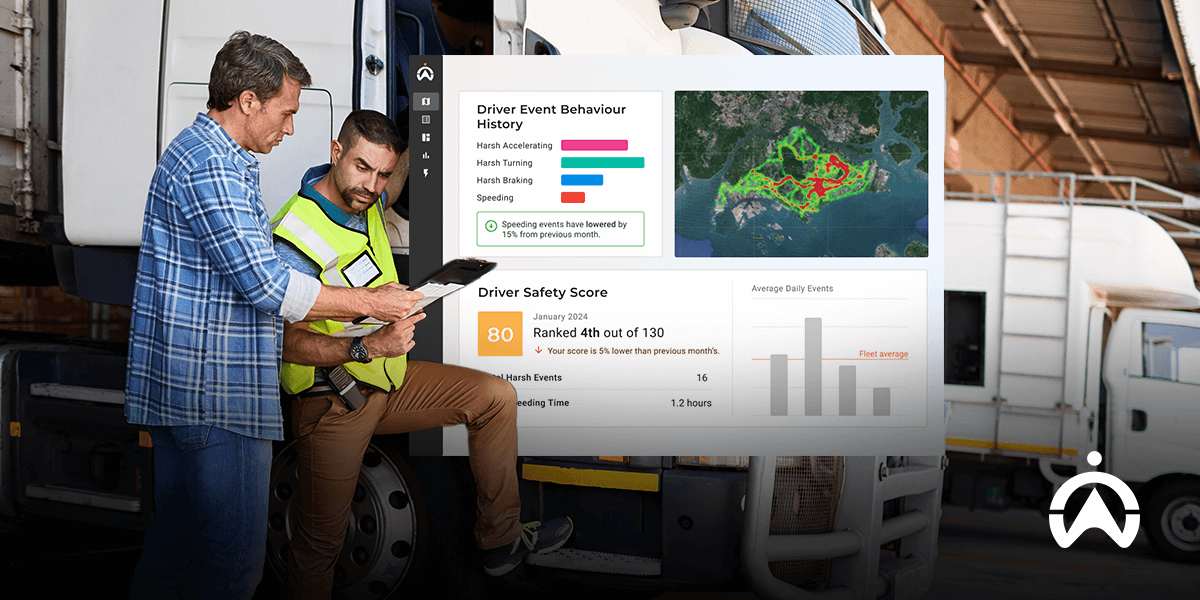
Cartrack AI cameras: The system scores drivers based on behaviour and provides clear reports. This helps you to identify trends and take action quickly.
Cartrack AI cameras: With GPS tracking and live monitoring, you and your managers can locate stolen vehicles and ensure legal compliance. Our system adds an extra layer of security for your vehicles and your drivers.
Where can you get the best AI cameras for your fleet?
You might be considering dashcams for your fleet. Perhaps you’ve already got them. Replacing them with AI camera systems is the best way to evolve your fleet and give you the data you need to grow as an organisation.
Contact us todayto get a tailored quote on your own fleet’s AI camera solution.
AI camera systems frequently asked questions
What are “harsh event” detections?
Harsh event detections are alerts triggered when your driver brakes too hard, takes sharp turns, speeds suddenly, or drives in a risky way. Your AI camera picks these up in real time. This helps you spot unsafe habits early and improve both safety and fuel efficiency across your fleet.
How do AI cameras enhance legal defense and claims processing?
AI cameras give you clear video proof of what happened before, during, and after an incident. This reduces false claims and helps speed up insurance processing. Your business saves time, avoids unnecessary costs, and has stronger evidence to protect drivers and your company’s reputation if disputes do arise.
Are AI camera systems tamper-proof?
Yes, most AI camera systems are built to resist tampering. However, no system is fully foolproof. They use locked mounts, secure storage, and cloud uploads to keep your footage safe. If someone tries to interfere, alerts can be sent to you so that action is taken quickly.
Can AI camera systems withstand rugged terrains?
Yes, AI camera systems are designed to handle Nigeria’s tough roads and weather conditions. They’re built with durable parts that resist dust, vibration, and heat. This makes sure your footage stays reliable whether your trucks are driving on highways, dirt roads, or mining routes.
How long do cameras continue recording when the ignition is off?
Most AI cameras keep recording for a set time after the ignition is switched off. This is usually powered by backup batteries or low-voltage connections. It means your vehicles remain protected while parked, helping you to capture footage of theft attempts or damage even when no one’s driving.
Your trucks work hard to travel long distances, carry heavy loads, and traverse roads that are often treacherous & damaged. Looking after your trucks is a wise investment that’ll pay you back in productivity and lower overheads, but only if you know what condition they’re in at all times. The expenses to maintain these trucks are high. Not only […]
Reactive vs. Planned Fleet Management: How Are You Choosing to Run Your Business
Blog
10 minute read •
The way you manage your fleet will directly impact how much profit you yield. When you work your fleet until it’s completely broken, this is known as reactive management, which ends up costing your business more. But when you implement a proactive fleet management system, your profits will keep your business running and your pockets full. When […]
How Much Diesel Does a Truck Lose to Overnight Idling?
Blog
9 minute read •
A diesel truck loses anywhere between 24 and 32 litres to overnight idling, assuming you’re looking at an 8-hour overnight period. Because trucks are larger, they’re expected to lose at least 3-4 litres per hour, though the total number depends on the make & model of the truck, as well as the reason for idling. […]
 South Africa
 Botswana
 Kenya
 Malawi
 Mozambique
 Namibia
 Swaziland
 Tanzania
 Zimbabwe
 Hong Kong
 Indonesia
 Singapore
 Malaysia
 Philippines
 Thailand
 New Zealand
 Vietnam
 Poland
 Portugal
 Spain
 United Arab Emirates