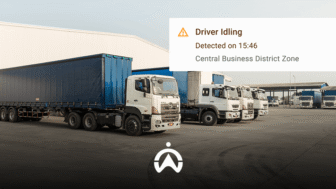
The best fuel system gives you accurate fuel data and full control so you can cut waste and stop theft
Advanced tools like MiFleet help you track trips, watch driver behaviour, and spot problems fast
Nigeria fleets need fuel management to handle rising costs and protect their fuel from theft
Cartrack gives strong fuel insights, trusted hardware, and support that helps your business save money and work better
The best fuel management system in Nigeria is Cartrack’s Fuel Management Software, giving you the accuracy and insights you need to make impactful changes in your business. Between fuel prices constantly climbing and the risk of petrol theft looming, keeping your fleet’s fuel consumption under close inspection is so necessary. That’s why a reliable fuel management system is vital to your business.
The ‘best’ fuel management system for your business is one that delivers on every front, intelligently addressing fuel theft issues, performance matters, fuel card integrations, and more. A study on industrial fleets revealed that using AI systems to optimize driving behaviour can cut fuel consumption by 12–15%, showing how the right system can help transform your business.
In this blog, we’ll inform you on what to look for in a top-notch fuel management system and explain why an advanced option always beats a basic one. Once you’ve got a complete picture, you’ll begin to understand why Cartrack’s solution is your perfect fit.
What defines the best fuel management system in Nigeria?
The best fuel management system in Nigeria is defined by its ability to give businesses accurate, advanced, and complete control over fuel consumption in their fleet. Cartrack’s MiFleet is the perfect example of this, providing sophisticated systems and comprehensive results.
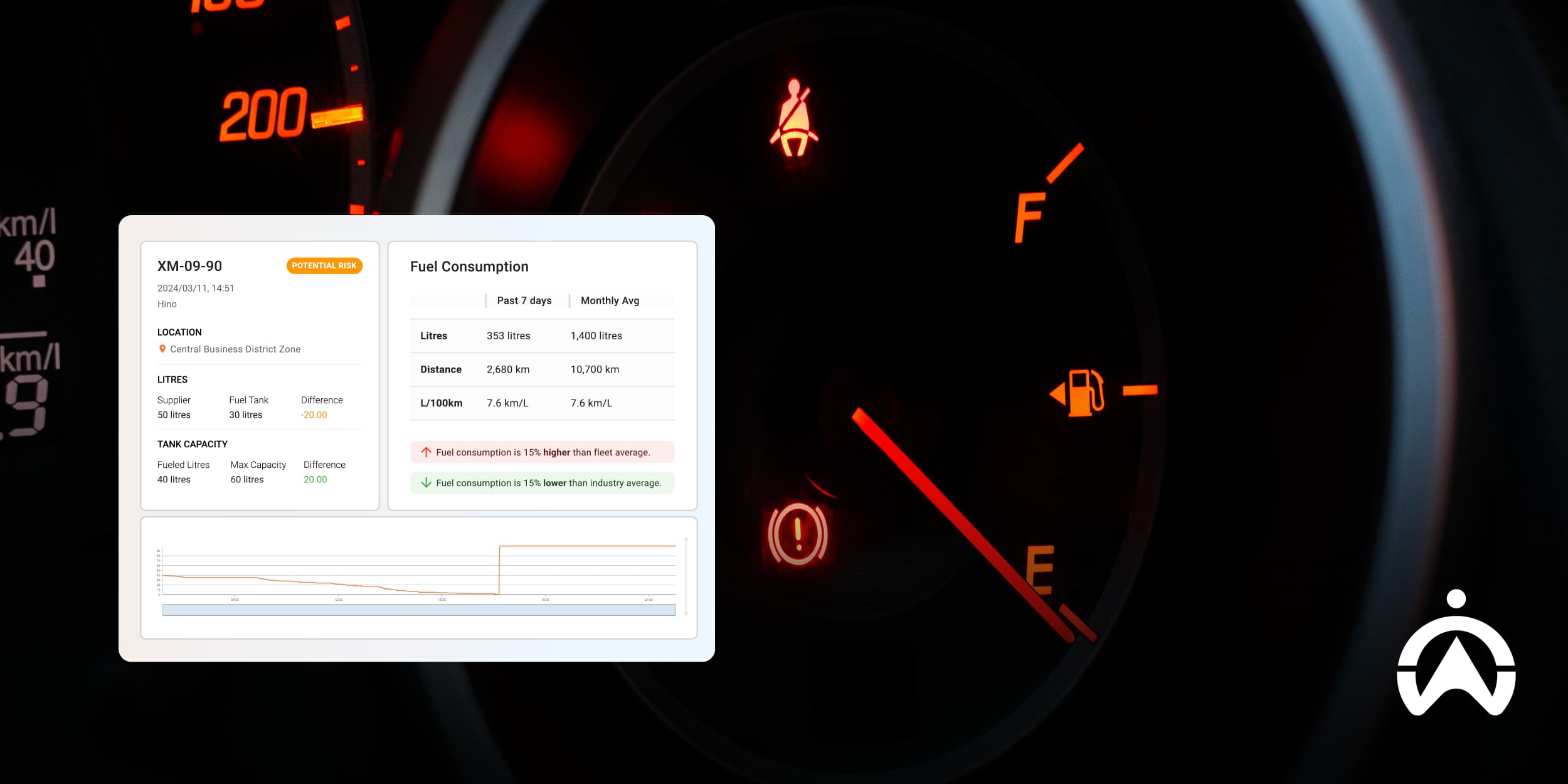
Cutting-edge systems like MiFleet takefuel monitoring to a whole new level offering features that include trip history and data, fuel card insights, instant notifications, and more. Your business’s ideal system should consider local-specific variables, including measures to tackle issues such as fuel theft and power disruptions.
What makes a fuel management system “the best” for your business?
What makes a fuel management system ‘the best’ for your business are features like reliable hardware, adaptability across industries, and quality automated reporting.
Here’s what the right system should offer you:
Suitability across industries: There’s transport, construction, logistics, field services, and more. The right system should be able to suit any business.
Scalability: This is especially true for mixed or growing fleets. The fuel system should work just as well for bikes and vehicles as they do for yellow machinery.
Compatibility with existing tools or systems: There should be seamless integration with fuel cards, maintenance tools, and other systems.
Reliability of hardware and precision of sensors: The best insights are accurate ones. Reliable sensors and quality hardware ensure your readings stay precise, no matter the conditions.
Quality of automated reporting: Automated reports make it much easier for you to read information and quickly identify anomalies. They also minimise human error.
Why do Nigerian businesses need fuel management now more than ever?
Nigerian businesses need fuel management now more than ever because of the demand to tackle serious operational risks. These include rising running costs and threats to fuel safety.
These are the challenges and threats that need to be tackled:
Rising fuel prices and operational costs, especially considering that fuel makes up the bulk of running expenses.
Fuel theft incidents, syphoning, and invoice-mismatch issues, because even the smallest oversights here add up very quickly.
Automated processes that reduce human error, because automated data fills potential data gaps and brings about better accuracy.
Data-driven insights that offer business savings, transparency, and stability; these trends and patterns can help maintain predictable budgets and help reduce expenses.
Comparison table: What does the best fuel management system include?
The best fuel management system includes features like driver insights, trip histories, and theft prevention functions. Your business shouldn’t accept just a glimpse of what’s happening; you need a thorough system that provides accurate insights into every part of your fuel usage.
Look at this quick comparison breakdown that highlights the importance of an advanced system:
Feature / Capability
Basic fuel monitoring tools
Advanced fuel management system (recommended for businesses)
Real-time fuel levels
Sometimes
✔️
Automatic alerts (drain, refuel, abnormal use)
❌
✔️
Fuel-card integration
❌
✔️
Driver behaviour insights
❌
✔️
Route and trip reporting
❌
✔️
Maintenance and vehicle health
❌
✔️
Automated audit-ready reporting
Limited
✔️
Theft-prevention tools
Limited
✔️
Practical ways businesses save with advanced fuel management
The practical ways in which businesses save with advanced fuel management include optimised routes, reduced theft, and better dispatching.
A system like MiFleet could benefit your business through:
Reduced theft and misuse
Less idling and inefficient driving
Controlled fuel budgets
Fewer unnecessary trips
Predictive maintenance tools
Improved dispatching
Minimised administrative load
Vital features to look for in a fuel management system
The vital features to look for in a fuel management system include accurate fuel reporting, instant notifications, and a smooth web & mobile app user experience. While you seek out the solution that best matches your business needs, always remember to focus on the one that helps you easily understand and improve fuel-related matters.
Consolidated fuel-use reporting to help you quickly spot fuel waste, but also support budgeting and expense estimations.
Fuel-card integration and fraud detectionto ensure that all the fuel transactions are legitimate and match locations, trip histories, and other related data.
Vehicle health and maintenance insights to help you keep track of issues that could add to fuel waste, like flat tyres or overdue servicing.
Tamper-proof data logs that are secure and set to support compliance matters.
Web and mobile app accessibility to allow you and your drivers to take action from anywhere.
How to choose the best fuel management system for your fleet
To choose the best fuel management system for your fleet, start by looking at your fuel-related pain points, deciding what your operational needs are, and then looking at aspects like pricing and hardware. You’ll want to pick a system that’s going to give you the most value and long-term success.
Follow these steps to choose the best fit for your business:
First, look at fuel-related pain points and examine where the losses or inefficiencies are.
Discover your operational needs: do you need better fuel card control, or does there need to be more focus on fuel theft?
Check the quality of hardware and data accuracy, because proven accuracy should really anchor your whole system.
Evaluate the fuel management platform so that you’re confident and comfortable using the tools at your disposal.
Make sure your integration options work and that third-party systems link to encourage data consistency.
Prioritise local support, training, and onboarding, because effective implementation is just as important as the tools themselves.
Confirm transparency on pricing and infrastructure so that you have a clear understanding of costs and where your money goes.
How Cartrack delivers one of Nigeria’s leading fuel management systems
Cartrack delivers one of Nigeria’s leading fuel management systems through being specifically designed to give you full oversight and total control. At the core of our fuel management system is telematics, which guarantees accurate tracking of fuel consumptionand refuelling habits.
IMPORTANT!! With MiFleet, you get a complete overview of your costs, which can be broken down not only into fuel but also into tolls, fines, maintenance, and more. Carefully manage your insurance,maintenance, and miscellaneous documents by keeping soft copies of all the necessary records in one place. What’s more? Import and export documents and trip histories with total ease.
Outside of MiFleet, we have numerous other features that’ll support your fuel management improvement. Driver monitoring & scorecarding, route optimisation, and vehicle diagnostics are just some of the features that’ll support your daily operations. Overall, Cartrack’s strong support network ensures your business gets the guidance and help required, turning MiFleet into a reliable choice for long-term fuel management.
Final takeaway
Getting reliable up-to-the-minute fuel data is necessary for any Nigerian company hoping to keep its costs in check. A good fuel management system is all about getting the accuracy right, being able to scale as you grow, and having a clear view of everything that’s going on across all your vehicles and assets.
With smart fuel tracking and valuable data, Cartracks MiFleet gives businesses the tools to really get a handle on how they’re using fuel, reduce wasteful habits, and iron out as many of the operational kinks as possible. It’s a solid, forward-thinking solution for fleets that are serious about protecting their profits and improving performance.
The latest trends in fuel management are all about embracing AI to make smarter decisions, adopting electric and hybrid fleets, and the impact of IoT on fleet operations. For us at Cartrack, it’s not just about being on top of these trends, but about ensuring our systems are always adapting to stay ahead of the game.
What industries benefit most from fuel monitoring?
The industries that benefit the most from fuel monitoring are generally those with vehicles or mobile assets in transport, logistics, construction, mining, field services, and delivery. Basically, any sector where vehicles operate long hours, use a lot of fuel, and are at risk of theft. This makes them perfect candidates for businesses looking to improve productivity.
How accurate are fuel management systems today?
Today’s fuel management systems are highly accurate thanks to top-notch technology like advanced sensors, telematics hardware, and instant data processing. These do a brilliant job of keeping track of tank levels, refuelling, and even syphoning. The result is that you can trust the feedback you get from them every time.
What is the best fuel reward programme for businesses in Nigeria?
The best fuel reward programs for businesses in Nigeria prioritize immediate liquidity and credit facilities over traditional banking points, with TotalEnergies leading for corporate post-paid accounts and Moniepoint offering the most competitive 7.5% direct cashback for SMEs.
Other articles for you
How to Extend Your Truck Life Span
Blog
8 minute read •
Your trucks work hard to travel long distances, carry heavy loads, and traverse roads that are often treacherous & damaged. Looking after your trucks is a wise investment that’ll pay you back in productivity and lower overheads, but only if you know what condition they’re in at all times. The expenses to maintain these trucks are high. Not only […]
Reactive vs. Planned Fleet Management: How Are You Choosing to Run Your Business
Blog
10 minute read •
The way you manage your fleet will directly impact how much profit you yield. When you work your fleet until it’s completely broken, this is known as reactive management, which ends up costing your business more. But when you implement a proactive fleet management system, your profits will keep your business running and your pockets full. When […]
How Much Diesel Does a Truck Lose to Overnight Idling?
Blog
9 minute read •
A diesel truck loses anywhere between 24 and 32 litres to overnight idling, assuming you’re looking at an 8-hour overnight period. Because trucks are larger, they’re expected to lose at least 3-4 litres per hour, though the total number depends on the make & model of the truck, as well as the reason for idling. […]
 South Africa
 Botswana
 Kenya
 Malawi
 Mozambique
 Namibia
 Swaziland
 Tanzania
 Zimbabwe
 Hong Kong
 Indonesia
 Singapore
 Malaysia
 Philippines
 Thailand
 New Zealand
 Vietnam
 Poland
 Portugal
 Spain
 United Arab Emirates