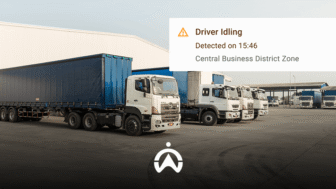
In 2025, you will have more driver-assistance tools than ever, but you still need to stay alert and in control
Electric cars are growing in South Africa, but petrol and diesel remain the most common because charging points are still limited
Your car’s connectivity, from Apple CarPlay to WiFi, makes driving easier and safer, but it also collects your data
Companies like Cartrack help protect your car and improve safety with tracking, AI, and real-time monitoring
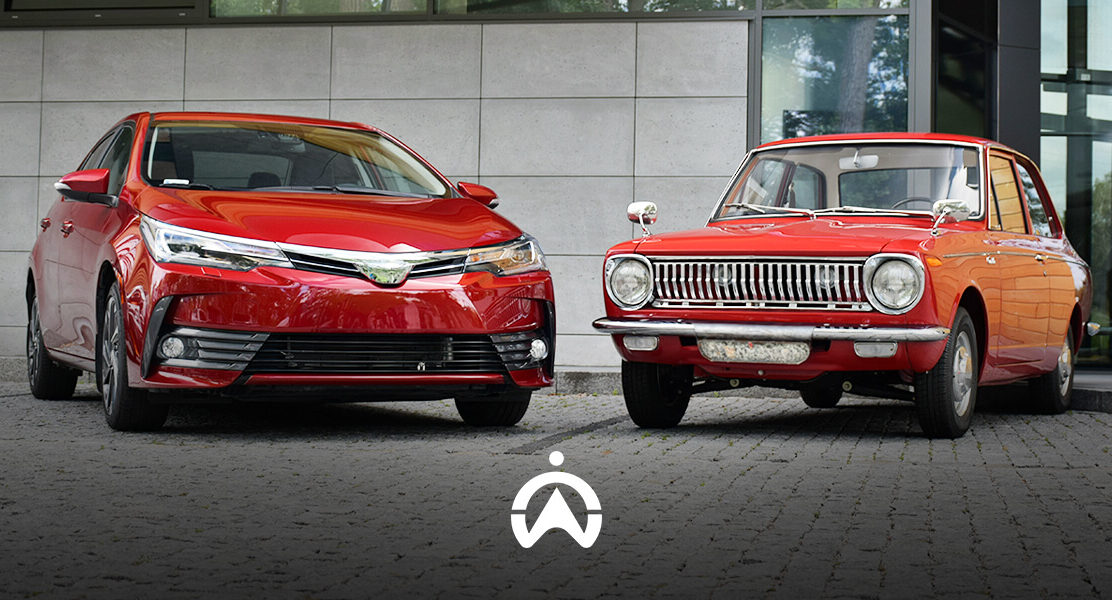
Your driving is always improving and changing with technology and how it evolves. Everything, from the fuel you use to the way you control and interact with your car, has been improved in some way by technology. From using your radio to safely parking your car, technology is revolutionising the vehicle industry.
What drivers should know about the shift in car technology
When you drive, your reactions to dangers on the road and the behaviour of your car have shifted with technology. In many ways, it has become safer for everyone to be on the road. Properly understanding how you’ve changed your driving habits is important. We’re going to look at the big changes technology has had, and the small ones you may not have noticed.
Things like driver assists give early warnings to hazards, and tracking systems help users feel safe and comfortable.
Driver Assistance
Description
Propulsion Systems
Description
Automatic Emergency Braking
Uses sensors to brake and avoid crashes
Petrol and Diesel
Common and affordable, but they cause pollution
Lane Departure Warning
Alerts if you drift out of your lane
Electric
Clean and cheaper to run, the range is limited
Adaptive Cruise Control
Keeps a safe distance from cars ahead
Hydrogen
Eco-friendly but still very costly and rare
Rear Cross Traffic Alert
Warns of people or cars when reversing
Automated Parking
Parks the car with little or no help
Advanced Driver-Assistance Systems (ADAS)
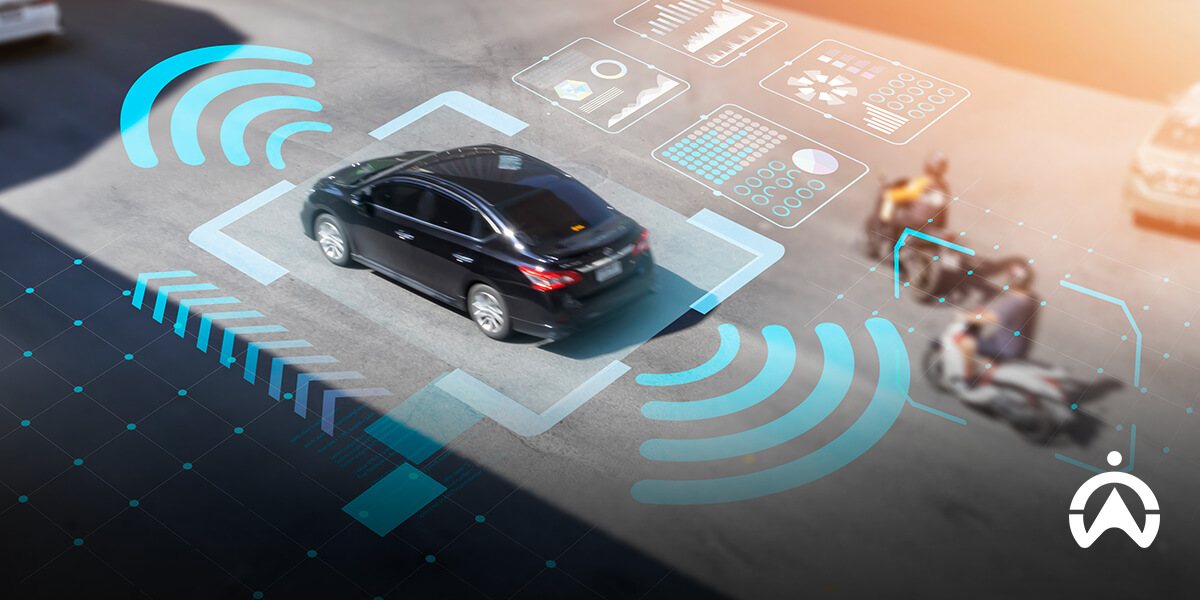
The big shift in technology that’s taken for granted has been connected driver assistance. Often hidden to be unobtrusive in our vehicles, they react before we can, preventing accidents that may happen.
The most important things to look out for with advanced driver-assistance systems are:
Automatic Emergency Braking (AEB): AEB uses sensors to spot danger and brakes for you to stop or reduce the chances of a crash. Reacting quicker than most drivers it helps you avoid things you may not see.
Lane departure warning (LDW): LDW uses cameras to see road lines and other cars, warning you if you drift out of your lane or if another car enters your blind spot.
Adaptive cruise control (ACC): Using sensors to keep a safe gap from the car in front, ACC is very useful on long South African highways, helping to reduce the need to brake constantly or speed up when traffic decreases.
Rear cross traffic alert (RCTA): Helping you reverse, RCTA warns you if cars, people, or cyclists are coming from a side you can’t see, preventing possible accidents.
Automated parking systems: These systems use cameras and sensors to park your car for you. They take over the steering, brakes, and accelerator, which makes parking in the tight South African parking spot much easier.
Internal combustion to electric
No car tech has changed as much as how we power our cars. We started with engines that burn petrol and diesel. Then, hybrids were introduced to reduce pollution. Now we have fully electric vehicles and hydrogen on the horizon. You’ll have to choose between them one day, and while it can feel tricky, each type has its pros and cons.
The move from petrol to electric is easier than most people think, but it still faces some challenges.
Petrol & diesel vehicles: Running on fuel that releases smoke, which harms air quality, these are still the most common and cheapest cars to buy.
Electric vehicle:EVs have the benefit of not emitting smoke and generally cost less to service. However, charging stations are still few in South Africa, and the battery may need to be replaced in future, which can be overly expensive.
Hydrogen vehicles: Still an emerging technology, hydrogen vehicles only produce water vapour as a byproduct. Because they are still new, they are expensive, and South Africa doesn’t have the infrastructure to refuel them, yet.
Connectivity on the road
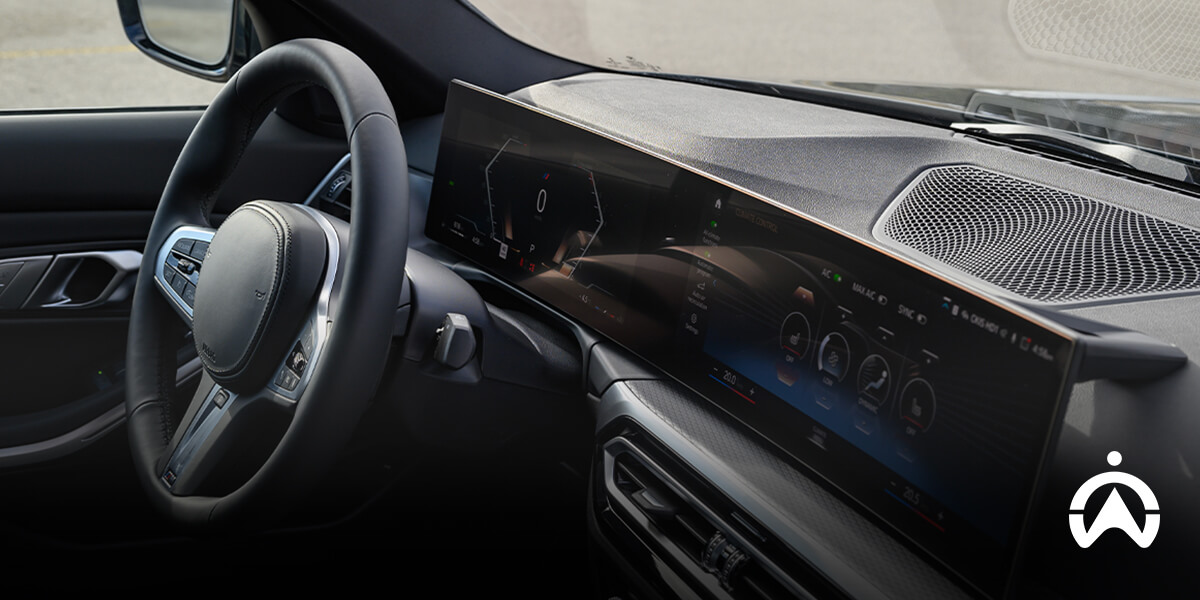
One of the most visual ways technology is changing how we drive is through our entertainment and connectivity systems. These are usually the ways you’ll interact with your car, either through the stereo system or your phone.
Three things are changing this right now:
Android Auto: Your phone apps made available on your car’s screen. Allowing you to use maps, music, read messages, and make calls by touch or voice.
Apple CarPlay: Working much the same, linking your iPhone to your car so you can use maps, music, and messages through the screen or steering wheel.
WiFi & connected services: There are many new cars that come with WiFi, giving internet to you and your passengers. You can also have extra functions like tracking your car or emergency buttons for getting help when needed.
The dangers of over-reliance on technology
Complacency is one of the biggest risks with new car tech. Leaning too much on cruise control, lane assist, or blind spot alerts means your reaction rate might be too slow. Technology isn’t perfect, and sensors can get blocked, tricked, or just fail.
Many drivers also lose skills when they let the car do too much. You can see this happen when people start struggling to park on their own, or by the surge in people unable to drive manual cars.
The crucial role of connectivity in cars
One of the most interesting ways technology is changing is with connectivity, which is more than just the way our phones interact with the infotainment system. Vehicles are becoming connected to networks, other cars, and cloud services. This gives you real-time insights that help prevent accidents, optimise routes, and support emergencies.
Real-time data exchange: Hazards, traffic, and road conditions can be shared, giving you and other drivers the chance to react faster. This also lets you track your car if it goes missing.
Emergency and post-collision response: Connected cars can alert emergency services automatically after a crash, sending your location and crash details, and getting help to you quicker.
Cartrack’s contribution to the evolution of car technology
Having played a significant role in shaping how technology supports safer and smarter driving, Cartrack has continued to shape advanced tracking and monitoring. Using AI-driven analytics and AI-Vision solutions, it has improved safety, efficiency, and accountability for many drivers.
The company’s connected solutions continue to reduce risks on the road and make vehicle ownership more transparent and cost-effective.
Telematics: Integrated technology that shows you how your car is used. Helping you create a maintenance schedule and reducing your fuel costs.
AI-Powered Cameras:Cartrack’s AI-powered cameras help you spot risky driver behaviour. Reducing potential risks makes driving safer for you and others.
Real-Time GPS Tracking: Giving you access to where your car is at all times, its tracking solutions mean you can see where it is, and where it has been.
In conclusion
The continued advancement of technology will always change the way we drive, making it both safer and much more convenient. It’ll also be the responsibility of each driver not to get complacent behind the steering wheel. Ultimately, drivers need to stay informed of technology changes to ensure safer, smarter, and more efficient driving practices on the road. At Cartrack, we continually evolve our tracking solutions to match the latest car technology and boost vehicle safety. Contact us today to keep your car protected with the most advanced solutions.
FAQ
Are connected cars safe from hackers?
No, connected cars aren’t completely safe from hackers. You can lower risks by keeping your car’s software updated by using strong passwords, and only trusted apps. Carmakers work hard to protect your car, but you still need to stay careful when using connected features.
Will electric vehicle infrastructure improve?
Yes, EV infrastructure is slowly improving in South Africa. More charging stations are being built in cities and along highways, so you and other drivers can charge your car easily. This will make owning an EV much more practical over time.
What skills should drivers keep sharp despite technological advancements?
You should always keep your core driving skills sharp, even with new tech like lane assist or parking aids. Skills such as manually controlling your car, safe reversing, and basic hazard awareness are always vital on South African roads. Remember, technology can fail or become outdated, but your own skills on the road will always need to compensate.
Other articles for you
How to Extend Your Truck Life Span
Blog
8 minute read •
Your trucks work hard to travel long distances, carry heavy loads, and traverse roads that are often treacherous & damaged. Looking after your trucks is a wise investment that’ll pay you back in productivity and lower overheads, but only if you know what condition they’re in at all times. The expenses to maintain these trucks are high. Not only […]
Reactive vs. Planned Fleet Management: How Are You Choosing to Run Your Business
Blog
10 minute read •
The way you manage your fleet will directly impact how much profit you yield. When you work your fleet until it’s completely broken, this is known as reactive management, which ends up costing your business more. But when you implement a proactive fleet management system, your profits will keep your business running and your pockets full. When […]
How Much Diesel Does a Truck Lose to Overnight Idling?
Blog
9 minute read •
A diesel truck loses anywhere between 24 and 32 litres to overnight idling, assuming you’re looking at an 8-hour overnight period. Because trucks are larger, they’re expected to lose at least 3-4 litres per hour, though the total number depends on the make & model of the truck, as well as the reason for idling. […]
 South Africa
 Botswana
 Kenya
 Malawi
 Mozambique
 Namibia
 Swaziland
 Tanzania
 Zimbabwe
 Hong Kong
 Indonesia
 Singapore
 Malaysia
 Philippines
 Thailand
 New Zealand
 Vietnam
 Poland
 Portugal
 Spain
 United Arab Emirates