
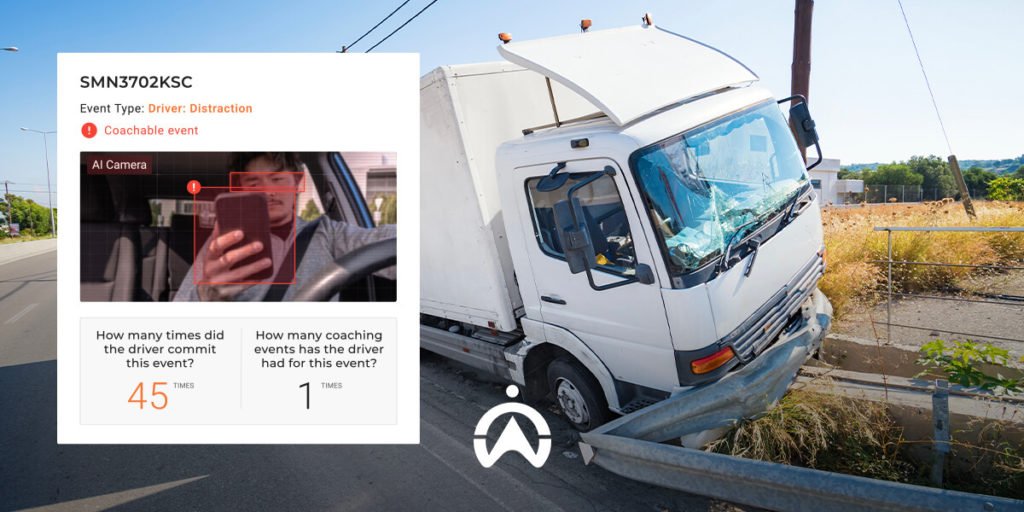
How to Stop Truck Driver Negligence
To stop truck driver negligence, always clearly identify dangerous behaviours, implement the right tools and coaching methods, and always enforce strong company safety policies. Negligence isn’t just about making a mistake here and there; it’s about recognising repeated behaviours that can put drivers, compliance, and business reputation at risk.
When you skip proper due diligence as a fleet manager, you open the door to serious threats. These include higher accident rates, rising insurance premiums, low driver retention, and damage to your company’s reputation. All of thSese can hurt customer relationships and slow down business growth.
In Nigeria, the scale of the problem is clear. On the busy N3 highway, one of the country’s key freight routes, 85% of truck crashes are linked to driver error. This highlights the importance of being proactive and addressing the issues promptly. Through this article, let us take you through what negligence is, how to identify early signs, and—most importantly—how Cartrack can help you stay protected and compliant.
How do you stop truck driver negligence?
To stop truck driver negligence, you should always combine safety culture with advanced technology to achieve the best results. Ensure that you keep track of dangerous driver patterns, be prepared to coach and train your staff accordingly, and be fair about the scheduling and tasks that you assign.
To address driver negligence, take into account each of these key elements:
- Driver training and refresher opportunities: Driver training ensures that your staff are aware and up to date with standard safety practices, compliance matters, and protective policies. Refresher training keeps drivers on their toes and keeps the safety culture strong.
- Setting realistic driver schedules and deadlines: As a fleet manager, it’s important that you allow drivers enough time to manage their deliveries and tasks. Be realistic about your scheduling. Without balanced schedules, you risk drivers who skip inspections, speed when driving, or exhibit fatigue behind the wheel.
- Encouraging safe driving incentives: Incentives are a helpful way to encourage your drivers to keep practising safe driving habits. A reward system is a tangible way to maintain positive behaviour through better practices.
- Fostering transparency and incident reporting: Your employees are more likely to feel comfortable reporting any difficulties they’re having when you support transparency and positive working relationships.
- Recognising and rewarding positive driving/driver behaviour: Much like safe driving incentives, rewarding drivers for positive behaviour is one of the best ways to maintain safe driving. Whether it’s an award or a promotion, it shows that responsible behaviour is valued.
What is truck driver negligence?
Truck driver negligence is the repeated dangerous actions that a driver exhibits. These actions aren’t just one or two mistakes; they’re patterns that are an intentional disregard for safety and regulations. If you recognise these patterns early enough, you could take the right steps to nip them in the bud.
Use the table below to get a quick look at common examples of negligence vs isolated incidents:
Warning signs that a truck driver may be negligent
To spot the warning signs that a truck driver might be negligent, check if your driver is frequently driving dangerously or skipping inspections and check-ups.
Look at these red flags:
- Frequent dangerous driving: This includes aggressive driving, harsh braking, speeding, and the like.
- Consistent route deviations: If your driver keeps deviating from standard routes without explanation, this is a sign of negligence.
- Ignoring inspection logs and check-ups: Not completing inspections, submitting incomplete reports, or ignoring everything altogether puts your drivers and assets in serious danger.
- High number of near-miss incidents: If near-miss incidents keep happening, especially when compared to other drivers, it’s a strong indicator that coaching is necessary.
.jpg)
How does truck driver negligence impact your business costs?
Truck driver negligence impacts your business costs quite negatively, threatening to drain your bottom line. Unchecked negligence goes beyond just endangering lives. Unsafe actions on the road can drive up costs across your operations.
This is how carelessness of this nature could cost your business money:
- Higher accident risk and liability demands: Crashes bring legal claims, medical costs, and vehicle replacements, all of which hit the business hard.
- Rising insurance premiums: A poor claims record raises red flags for insurers, who respond with higher rates across the fleet.
- Vehicle downtime and delivery delays: Damaged trucks mean missed schedules, late deliveries, and unhappy customers.
- Damaged brand reputation: Frequent safety issues can quickly destroy trust with clients, partners, and the public.
- Lost contracts and customer trust: Logistics clients expect reliability, and repeated incidents can drive them straight to competitors.
What are the legal risks of truck driver negligence?
The legal risks of truck driver negligence include fines and penalties, lawsuits, and loss of operating licences. As a truck fleet manager, you’re obligated to carry a duty of care, meaning you’re legally and morally expected to put reasonable safeguards in place against foreseeable risks. Ignoring these responsibilities exposes the business to serious liability.
In Nigeria, these are what safety regulators and compliance look like:
-
Federal Road Safety Commission (FRSC) Act:
This Act empowers the FRSC to regulate road safety, enforce traffic laws, control speeding, and promote safe driving behaviour on Nigerian roads. -
National Road Traffic Regulations (Nigeria):
These regulations cover driver licensing, vehicle registration, permitted driving hours, and compliance with traffic rules to ensure only qualified drivers operate vehicles. -
Vehicle condition and inspections:
Commercial and fleet vehicles are required to undergo regular roadworthiness inspections through approved Vehicle Inspection Offices (VIOs) to ensure vehicles meet safety and mechanical standards. -
Occupational Safety and Health standards:
Employers are required to comply with Nigeria’s workplace safety laws, ensuring employees operate in a safe environment and that work-related transport risks are properly managed.
Not being able to meet those standards means:
- Civil lawsuits: Injured parties may seek compensation for damages.
- Criminal liability: If negligence results in serious injury or fatalities.
- Fines and penalties: For breaking traffic, labour, or safety regulations.
- Loss of operating licences: Or restrictions placed on fleet activities.
Root causes of truck driver negligence
The root causes of truck driver negligence include weak safety culture, absence of coaching tools, and inadequate training. It’s impossible for carelessness to occur in isolation. When the right tools and resources aren’t set up, you won’t have the opportunity to take preventive measures or effectively target driver vulnerabilities.
Take a look at these root causes and their outcomes:
- Poor training or lack of refresher training: When drivers aren’t given the onboarding and continuous training, they won’t be up to date with best practices. They’ll also likely continue with their risky driving habits.
- Pressure to meet unrealistic driving and delivery schedules: When you put pressure on your drivers by implementing tight or overloaded deadlines, they’ll continually cut corners so that timelines can be met.
- Lack of accountability or monitoring tools/coaching: The key to being able to monitor and coach your drivers is to implement smart camera solutions and telematics. Without these tools, there’s no way for you to effectively shape a business safety culture that’s supported by valuable insights.
- Stress, fatigue, and mental health factors: You endanger (even exacerbate) negligence issues if you disregard drivers’ mental exhaustion and stress by enforcing long hours and difficult routes.
- Weak company safety culture: If managers and owners aren’t serious about safety, it’s likely that the drivers won’t be either. It’s important for you, as a figure in a supervisory position, to lead by example and not undermine the importance of safety policies.
How can you prevent truck driver negligence with Cartrack?
With Cartrack, you can prevent truck driver negligence with support from our advanced technology and training solutions. Cartrack goes above and beyond by operating from a single, integrated, and unified platform that can detect and deal with potential negligence head-on.
This is what sets us apart:
- Integrated driver behaviour monitoring with live alerts: You can get immediate notifications about dangerous driving and contact drivers in real time. This is especially true if you have a camera solution for your fleet with in-cabin calling.
- AI dashcams detecting distraction, fatigue, and risky driving: Our AI camera solutions can detect distracted driving, including fatigue, phone use, smoking, and many other high-risk behaviours. This is a key solution to predictive fleet management.
- Video telematics (dashcams/MDVRs) for full visibility: Using our comprehensive camera systems means you’re fully protecting your drivers and your business. Should any legal dispute arise, you’d have clear evidence to clarify the situation.
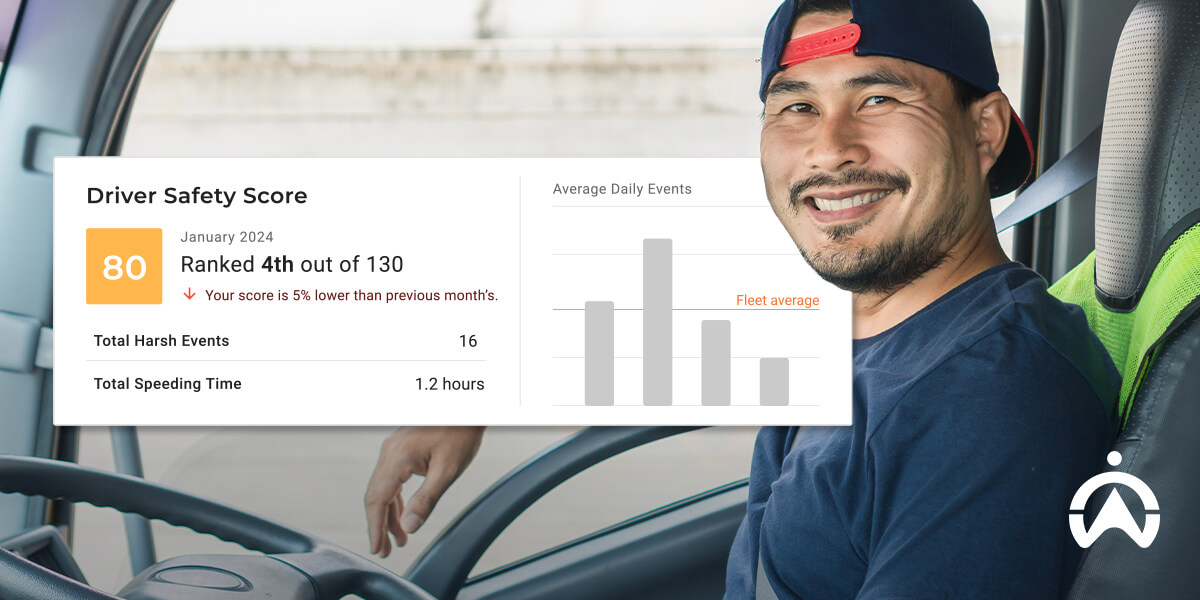
- Driver safety scorecards and coaching tools for managers: Our driver scorecards and performance data are the best and most transparent way for you to share feedback with drivers. These can help you correct negligent behaviour.
- Easy compliance reporting for audits: Cutting admin time has never been easier. Because processes are automated, this massively simplifies operations and minimises human error. This is especially important for exporting reports.
- Predictive maintenance and automated alerts: Our platform will send you notifications for suggested maintenance, so that your vehicles are tended to before costly breakdowns even happen.
- Full platform integration: As mentioned, Cartrack has a simple, integrated, and unified platform that has all the tools right at your fingertips.
Building a Safer Fleet With Cartrack
With the availability of proactive tools and resources, truck driver negligence doesn’t need to be an inevitable event. Negligence is preventable with the right balance of culture, policy, and technology—and that’s all achievable with Cartrack. When you invest in prevention with us, you ensure the protection of your brand and financial success.
Don’t wait until negligence costs you a contract or your business reputation. Take control now with Cartrack, and see how quickly you can reduce risks across your fleet.
FAQs
Q: What is the most common accident injury for truck drivers?
A: The most common injuries for truck drivers are musculoskeletal ones, particularly strains that affect the back, neck, and shoulders. These pains and injuries typically stem from long hours on the road and the impact of collisions. More serious injuries include fractures or internal trauma.
Q: What are the four elements needed to prove negligence?
A: The four elements needed to prove negligence include duty of care, breach of duty, causation, and damages. Bringing these elements together helps establish whether someone genuinely caused serious harm. They’re important to correctly and fairly establish that negligence took place.
Q: What happens if an accident is not reported within 24 hours?
A: If an accident isn’t reported in 24 hours, this could result in penalties and rejected insurance claims. In Nigeria, you’re mandated by law to tend to an accident report within the first 24 hours of the incident occurring. Failure to do so means that drivers and companies are likely to face financial risk and downtime.
Q: Is negligence always the truck driver’s fault, or can companies be liable?
A: As much as a truck driver is the one behind the wheel, companies will always be liable, as drivers are part of the company’s staff. Companies can also potentially be subject to lawsuits, fines, and reputational damage if an investigation reveals that there’s a lack of adequate training or policies in place.
Q: How long do most truck driver accident settlements take to resolve?
A: Most truck driver accident settlements can take months to years to resolve—it ultimately depends on the case. Each case comes with unique complexities, including the severity of the accident/injuries sustained and potential court backlogs. Companies with solid safety measures and compliance tend to avoid lengthy legal disputes.